WE RESPOND TO YOUR NEEDS 414-271-1440
Recent Blog Posts
Wisconsin Sex Offenders Face Serious Challenges and Stigmas for Life
 Convicted sex offenders come in many shapes and forms. Some were teens, just barely of legal age, who made a poor decision. Others have been convicted of violent crimes. But all of them face the same fate once they serve their time: stigmas and challenges for life. And in the state of Wisconsin, that can extend right down to not having a job or a place to call home.
Conviction Leads to Lifelong Issues
Once convicted and released, Wisconsin sex offenders must register on the state’s sex offender list. This list is monitored by local law enforcement, who will often send out a media release when an offender moves into the area. That information, which includes the exact address of the offender, is often then reported by local media. Citizens and employers can also view the registry online, which can severely impact their employment options, living conditions, and ability to function within the community.
Daycare Reopens After Allegations of Sexual and Physical Abuse
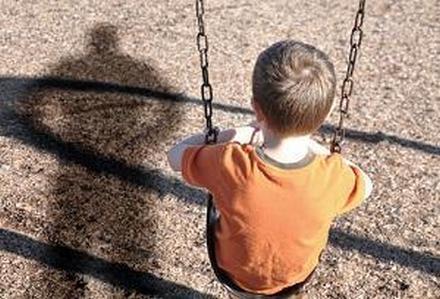 When parents have to work, they rely on others to help with the care of their most prized possession: their children. Most of the time, these caregivers provide loving, compassionate, and competent care. But there are, unfortunately, those out there that do the unspeakable. People who put children in harm’s way or inflict physical or emotional injury. A daycare center in Mississippi is being accused of doing the latter, yet has reopened its doors. And the matter has, understandably, shaken an entire community.
Six Children Allegedly Abused
According to the Mississippi Department of Health and the Alcorn County Sheriff’s Department, six or more children may have been physically or sexually abused while in the care of the day care facility. The complaints were received from parents who said they believed the abuse happened while near or on the premises of the center, which includes a petting zoo, but no word has been given regarding who the alleged abuser or abusers may be.
How Federal Agencies Combat Criminal and Fraudulent Acts of Money Laundering
 To combat criminal and fraudulent acts of money laundering evident throughout the underbelly of criminal conspiracies, multiple federal statutes have been enacted to empower several federal agencies to uncover and prosecute the offenders.
Under Title 26 of the United States Internal Revenue Code, IRC Section 61(a), the Internal Revenue Service (IRS) maintains investigative jurisdiction to investigate income earned from such illegal activities as:
- Drug trafficking;
- Embezzlement;
- Extortion;
- Healthcare fraud;
- Bankruptcy fraud;
- Income tax evasion;
- False income tax forms; and
- Failure to file an income tax.
The Internal Revenue Code is supported by the guidelines of Title 31, USC Section 5331 relating to investigations of fraudulent activity. Passed in 2001, the USA Patriot Act or “The Act” extends to money laundering and the possible connection to funding of terrorist entities.
Dog Bite Prevention and Treatment
 Most of the time, dogs truly are man’s best friend; they are companions, confidants, and family members. But when a dog is threatened, sick, stray, mistreated, or abused, it can lash out and bite. Sadly, humans, particularly children, are often on the receiving end (about 1,000 emergency room cases each year, according to the Centers for Disease Control and Prevention). Some can be prevented, but many cannot; as such, knowing what to do in the event of a dog bite is the best course of action, particularly for parents of small children.
Victim Usually Knows the Dog
The first thing you should know about dog bites is that the victim usually knows the dog or its owner. They might not have a close enough relationship to fully understand the dog’s temperament or be immediately recognized by the pet, but they have at least seen or know of the pet. This can actually work in the favor of the victim since it can make it easier to determine whether or not the dog is up-to-date on their vaccinations.
Heroin Addictions in Small Communities on the Rise
 Recently, the Daily Tribune reported that heroin use in small communities throughout Wisconsin is on the rise. When paired with the severity of the state’s penalties for drug crimes and the already strained prison budget, this influx is grounds for concern. But there are none that may suffer more than those that use and may eventually be charged with a drug crime.
Heroin and Addiction
Considered a highly addictive substance, heroin is an illicit drug processed from the opiate morphine. Those who use are at an increased risk for severe health complications, including overdoses, heart problems, skin infections or abscesses, and diseased organs. Unfortunately, once the addiction takes hold, many would rather face the risk of a complication than endure the intense withdrawal symptoms. In some cases, this may mean obtaining the drugs by any means necessary, which can further add to their already hefty drug penalties.
Burn Types, Treatments, Potential Complications, and Causes
 Burns are one of the most commonly experienced injuries, particularly among children. Specifically, the American Burn Association estimates that approximately 486,000 burns require medical emergency treatment each year and approximately 40,000 require hospitalization. Thankfully, most instances are survivable and, if treated correctly, many burns have a positive long-term outcome. As such, it is important to know how to treat them, when to seek medical treatment for a burn injury, and what you can expect during treatment and the healing process.
Most Common Burn Causes
Burns can be caused by any source of heat, including steam, fire, hot liquids, or hot surfaces/items. They may also be caused by chemicals, excessive sun exposure, or electrocution. The most frequent causes in children include hot liquids, hot surfaces/items, sun exposure, and electrocution. It is important to note, however, that they can and sometimes are exposed to other burn causes, including chemicals and fire.
Understanding the Implications of a Stalking Charge in Wisconsin
 On the surface, the cases of two Wisconsin men currently awaiting trial for stalking charges might seem fairly similar. Both allegedly made victims uncomfortable with their words and actions. Both are being held on the same charges. Yet the outcomes of these cases could be very different. Why? And how? Let’s examine the possibilities by looking at the implications of their charges and other potential factors.
Comparing the Two Cases
In the most recent case, a man allegedly stalked several women in the River Falls area and showed them pornographic clips on his cellphone. Many were also allegedly asked if they knew where there was an adult video store or an adult book store. In contrast, the other alleged perpetrator is a teacher who reportedly sent numerous Snapchat messages to his 12-year-old student.
Legal Definition of Stalking
Under Wisconsin Statute 940.32, stalking is defined by a series of at least two acts that show a continuity of purpose. This can include (but is not limited to) attempting to maintain visual of physical proximity to a victim; entering property that is owned, occupied, or leased by a victim; appearing at a victim’s home or contacting their neighbors; attempting to show up at or contact a victim at their place of employment; and attempting to deliver an object at the victim’s home or place of employment.
ATV Accidents: Understanding the Causes, Risks, and How to Prevent Them
 Since invented, all-terrain vehicles (ATVs) have offered hours of rugged, outdoor fun. But that fun also comes with a risk – the possibility of a severe injury or fatality. Those risks can often be reduced through responsible operation, proper gear, and course instructions but many riders forget the importance of these key preventative measures or are not aware of their importance. So, before you ride, make sure you know the causes and risks of ATV accidents and how you can best avoid them.
ATV Accident Statistics
According to the Consumer Product Safety Commission (CPSC), more than 100,000 ATV injuries occurred in 2012 (the most recent data). Of those, 27 percent were to the head or neck, 29 percent were of the arms or hands, 22 percent were to the torso area, and 21 percent were to the legs or feet. In addition, approximately 568 adults and 144 children die each year from ATV-related accidents.
Judge Rejects Prosecution's Request for Gag Order in White Collar Crime Case
 Typically, gag orders are used to provide protections to the defendant, witnesses, or potential jurors in high profile criminal cases. Examples include cases involving a celebrity, cases where the alleged crimes are particularly gruesome, or when publicity could jeopardize a defendant’s right to a fair trial. They are not intended to protect the government or prosecution when a mistake has been made, such as discrimination or a violation of defendant’s rights. Sadly, that does not always stop the prosecution from trying, as evidenced by a recent gag order request from the Wisconsin Justice Department on a pending white collar crime case.
About the Case
Charged with 10 felony counts of securities fraud, two brothers are being accused of not telling prospective investors that their company was on the brink of financial ruin. Their company went $60 million into debt, according to court documents, and 31 investors allegedly lost millions. But, according to their attorney, the brothers followed the advice of their attorney and made all the necessary disclosures, releasing them from any type of criminal acts.
Study Finds Slips and Falls Surprising Common, Even among Healthy, Young Adults
 When people think of slips and falls, they generally imagine slick surfaces, like ice and snow, dangerous terrain, or risky behavior, such as carrying an oversized box down a narrow flight of stairs. Yet, according to the National Safety Council, slips and falls remain the leading cause of injury-related deaths among those aged 65 or older. But slips and trips are not just for the elderly; they also account for about five percent of all workplace injuries and around 15 percent of all accidental deaths. Moreover, a recent study found that, even among healthy, young adults, falls are surprisingly common.
Study on College Students Shows Falls, Trips Happen at Any Age
Conducted by researchers from Purdue University, a recent study on 94 college undergraduates shows that humans – regardless of their age – struggle to stay upright. With an average age of 19, these students were asked to answer a daily email over the course of 16 weeks. In it, they were asked if they had experienced a slip, trip, or fall in the last 24 hours. More than half (52 percent) reported 1,495 trips or slips by the end of the study, and 46 percent reported 82 full-blown falls.