WE RESPOND TO YOUR NEEDS 414-271-1440
Recent Blog Posts
Negligence and Traffic Laws in Wisconsin
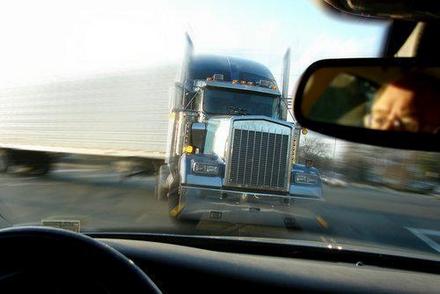 Many people's first experience with the legal system comes by way of a traffic accident. In fact, with over a hundred thousand accidents every year, according to statistics published by the Wisconsin Department of Transportation, everyone is likely to be in multiple traffic accidents over the course of their lives. Some people may wonder about what good traffic laws are if there are still so many accidents, but it turns out that, in addition to preventing accidents, traffic laws are also useful during traffic accident lawsuits. This is because an accident victim must show that the person who injured them was “negligent” in order to recover, and showing that someone violated traffic laws is a good way of showing negligence.
What Negligence Means
Negligence is a legal term with a specific meaning, but that specific meaning closely tracks how the word is usually used. Showing someone was negligent means showing that they were not being as careful as they should have been. In order to prove negligence in court, a victim must demonstrate four things, known as the elements of negligence:- First, a victim must show that the person who injured them had a duty to be careful. While there are some scenarios where this is in question, drivers on the road almost always have a duty to each other.
How Daylight Savings Time Affects Your Car Accident Risk
 Recently, the country, like many around the world, sprung forward into daylight savings time, and in doing so increased drivers' risk for suffering a serious car accident. The spring adjustment for daylight savings time subtracts an hour from everyone's sleep, and some research suggests that the change in sleep patterns makes people less attentive drivers. This, along with other potential health concerns, has led to suggestions to remove daylight savings from the calendar, since it no longer serves its original purpose. Yet, some other research suggests that it may actually have beneficial safety effects from a traffic perspective.
Why Have Daylight Savings Time
In some sense, people observed daylight savings time for much of human history since strict scheduling and precise times were not kept. Instead, farmers would simply adjust their schedules based on sunrise and sunset. However, the advent of trains, which crossed the country and ran on precise schedules, led to a standardization of times across the world. This created problems because the standard times would not always line up well with the daylight.
Comparative Negligence: Assigning Fault in Wisconsin Traffic Accidents
 Personal injury and traffic accident trials are about assigning fault. The court determines who was at fault in the accident, and then it awards damages to the injured parties. Sometimes this fault determination is simple and straightforward. If a drunk driver runs a red light and crashes into the side of a car that was following the traffic laws, the accident was the drunk driver's fault. However, not every accident is so clear. There are some cases where neither side was driving as carefully as they should have been. In the past, courts would have simply said that no one could recover since any level of carelessness made that accident the fault of both parties. That is no longer true. Now courts invoke the legal doctrine of comparative negligence to determine how to assign fault.
Comparative Negligence
Comparative negligence is a statutory legal doctrine created by the Wisconsin legislature that instructs judges and juries about how to handle accidents where both sides were being somewhat careless. The idea behind the doctrine is that juries are supposed to determine what portion of the accident each party was responsible for, which is usually expressed in percentages. For instance, one party might be 25 percent responsible for the accident and another party might be 75 percent responsible for the accident. People are then allowed to recover from anyone who was more at fault for the accident than they were.
Proving Negligence in Distracted Driving Cases
 No matter where you go these days, it is not unusual to see or hear an advertisement related to the dangers of distracted driving. When people hear the term distracted driving, they usually associate it with cellphone usage and teenage drivers. This is not surprising due to the fact that teenage drivers account for the highest proportion of distraction related traffic accidents. However, most people tend to forget that distracted driving comes in many shapes and sizes.
What is Distracted Driving?
Distracted driving encompasses any activity that diverts a person’s attention from operating a motor vehicle and the road. These distractions include texting, fidgeting with cell phones, eating, drinking, putting on makeup, reading, utilizing navigation systems, watching videos, adjusting the radio and even speaking with passengers.
According to the National Highway Traffic Safety Administration (NHTSA), texting while driving is approximately six times more dangerous than drinking and driving. Since 1982, the amount of alcohol-related traffic accident deaths has dropped 52 percent while the amount of non-alcohol related traffic accidents has increased 78 percent during the same time period. The Centers for Disease Control and Prevention, based on a report from the NHTSA in 2012, reported that accidents involving distracted drivers accounted for the death of 3,328 people and injuries to approximately 421,000 others.
How Do I Prove The Other Driver Was Distracted and Negligent?
Based on the different forms of distracted driving listed above, this question is hard for many victims of distracted driving accidents to answer. Victims of these types of accidents should consult with an experienced distracted driving accident attorney, since, depending on the circumstances, these cases could present complex issues.
Whenever a driver operates a motor vehicle on a public road, he or she is required to safely operate that vehicle and owes a duty of reasonable care to pedestrians and other drivers. This duty of reasonable care is breached when a driver is distracted and gets into an accident. If the distracted driver was speaking on a cell phone at the time of the accident, evidence of the phone call could be used to prove negligence. Likewise, if the driver was adjusting the radio, putting on makeup, or eating food at the time of the accident, the acts of the distracted driver could be used to prove negligence because he or she was not safely operating the motor vehicle.
What is Comparative Negligence?
Evidence of distracted driving can also be used against individuals who do not cause the accident. For example, if a driver is fidgeting with a cell phone while operating a motor vehicle and another driver hits the first car, this distraction could constitute contributory negligence depending on the circumstances. In this case, under Wisconsin law, if the distracted driver playing with their cell phone is found to be 51 percent negligent, he or she would be prevented from recovering any compensation for damages or injuries sustained from the accident.
Many states, including Wisconsin, have passed laws to combat distracted driving. Wisconsin has even included a provision specifically banning the “composing or sending” of text messages while operating a motor vehicle. Remember, every time you get behind the wheel, you are legally responsible for safely operating a motor vehicle. All measures should be taken to prevent any unnecessary lapses in attention. Failing to do so could put yourself, your passengers and other drivers in danger.
If you or someone you know suffered injuries at the hands of a distracted driver, you should contact an experienced Milwaukee personal injury attorney who will assist you in obtaining the compensation you deserve for the injuries you suffered.
No matter where you go these days, it is not unusual to see or hear an advertisement related to the dangers of distracted driving. When people hear the term distracted driving, they usually associate it with cellphone usage and teenage drivers. This is not surprising due to the fact that teenage drivers account for the highest proportion of distraction related traffic accidents. However, most people tend to forget that distracted driving comes in many shapes and sizes.
What is Distracted Driving?
Distracted driving encompasses any activity that diverts a person’s attention from operating a motor vehicle and the road. These distractions include texting, fidgeting with cell phones, eating, drinking, putting on makeup, reading, utilizing navigation systems, watching videos, adjusting the radio and even speaking with passengers.
According to the National Highway Traffic Safety Administration (NHTSA), texting while driving is approximately six times more dangerous than drinking and driving. Since 1982, the amount of alcohol-related traffic accident deaths has dropped 52 percent while the amount of non-alcohol related traffic accidents has increased 78 percent during the same time period. The Centers for Disease Control and Prevention, based on a report from the NHTSA in 2012, reported that accidents involving distracted drivers accounted for the death of 3,328 people and injuries to approximately 421,000 others.
How Do I Prove The Other Driver Was Distracted and Negligent?
Based on the different forms of distracted driving listed above, this question is hard for many victims of distracted driving accidents to answer. Victims of these types of accidents should consult with an experienced distracted driving accident attorney, since, depending on the circumstances, these cases could present complex issues.
Whenever a driver operates a motor vehicle on a public road, he or she is required to safely operate that vehicle and owes a duty of reasonable care to pedestrians and other drivers. This duty of reasonable care is breached when a driver is distracted and gets into an accident. If the distracted driver was speaking on a cell phone at the time of the accident, evidence of the phone call could be used to prove negligence. Likewise, if the driver was adjusting the radio, putting on makeup, or eating food at the time of the accident, the acts of the distracted driver could be used to prove negligence because he or she was not safely operating the motor vehicle.
What is Comparative Negligence?
Evidence of distracted driving can also be used against individuals who do not cause the accident. For example, if a driver is fidgeting with a cell phone while operating a motor vehicle and another driver hits the first car, this distraction could constitute contributory negligence depending on the circumstances. In this case, under Wisconsin law, if the distracted driver playing with their cell phone is found to be 51 percent negligent, he or she would be prevented from recovering any compensation for damages or injuries sustained from the accident.
Many states, including Wisconsin, have passed laws to combat distracted driving. Wisconsin has even included a provision specifically banning the “composing or sending” of text messages while operating a motor vehicle. Remember, every time you get behind the wheel, you are legally responsible for safely operating a motor vehicle. All measures should be taken to prevent any unnecessary lapses in attention. Failing to do so could put yourself, your passengers and other drivers in danger.
If you or someone you know suffered injuries at the hands of a distracted driver, you should contact an experienced Milwaukee personal injury attorney who will assist you in obtaining the compensation you deserve for the injuries you suffered.
Wisconsin State Assembly Votes to Raise Speed Limits
 Recently, the Wisconsin state Assembly voted on a measure that would increase the speed limit on certain highways from 65 mph to 70 mph. The bill passed by a vote of 76 to 22, and it now moves to the Senate where it is also expected to pass. The bill, Assembly Bill 27, gives the Department of Transportation the authority to increase the speed limit on freeways and expressways in the state. However, there are some concerns that the new speed limit will lead to an increase in the number or severity of traffic accidents. Consequently, drivers should be one the lookout for new speed limit signs, and should exercise extra care on highways.
The New Bill
If the new bill passes the senate, it would increase the speed limit on freeways and expressways across the state. Importantly, the bill has special definitions of freeways and expressways, so that the increase will be uniform. A freeway is a state highway with four or more lanes separated by a barrier that has limited intersections. An expressway is defined similarly, though the expressway must also be recognized as such by the Wisconsin Department of Transportation.
Recovering Damages in Uninsured Motorist Accidents
 Typically, every individual involved in automobile accident carries insurance to cover medical and property damage to all those involved. This is because almost every state, including Wisconsin, requires every driver of an automobile to maintain continuing insurance coverage. But sometimes, a driver’s automobile coverage will lapse or the driver may neglect to carry automobile insurance.
According to the Wisconsin Department of Transportation, the Uninsured Motorist/Safety Responsibility law was enacted in 1945 to deter individuals from driving uninsured vehicles and to protect citizens who suffer property or medical damages from motorists who fail to carry insurance. The law applies to all drivers and anytime an automobile is involved in an accident, the Wisconsin Division of Motor Vehicle performs an inquiry to determine if all drivers involved in the accident were insured. If a driver is uninsured, their license and motor vehicle registration will be suspended.
Pedestrian Accident Injuries
 Each year, thousands of innocent pedestrians die and tens of thousands suffer serious injuries from careless or reckless drivers. Of course, the harm that can result from a pedestrian being struck by an automobile, whether it is traveling slowly or fast, is significant, and may certainly lead to lifelong effects. The costs of medical care can add up quickly and exceed the annual income of most Wisconsin families.
According to the Centers for Disease Control and Prevention, approximately 4,700 pedestrians were killed in 2012 due to traffic accidents while another estimated 76,000 suffered injuries related to traffic accidents across the United States. Based on these statistics, a pedestrian dies every two hours due to a car accident, and every seven minutes a pedestrian suffers an injury due to a car crash as well. Innocent pedestrians are 1.5 times more likely to be killed in a car accident than passengers in a vehicle.
Preserving Vehicle Accident Evidence
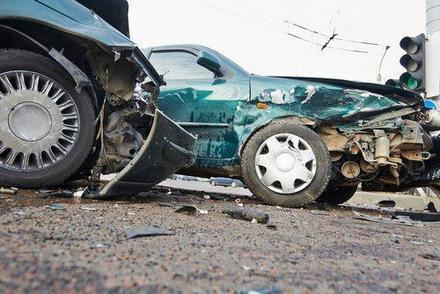 Usually, when people are involved in automobile accidents, they are concerned with their health and are happy to be alive. What most people forget, or fail to realize, is that in order to recover for your injuries, you will have to negotiate with an insurance company or file a lawsuit.
Once you determine that you do not have any injuries that require immediate medical attention, you should document everything you can about the accident and its impact on your daily life after the accident. This documentation will become useful when negotiating with an insurance company or if you decide to file a lawsuit. The more evidence or proof you have of your injuries and their impact on your life, the more successful your case will be. They also remind you of what happened months or years later when you have to recall the events in question.
If you were involved in an automobile accident, you should preserve as much evidence as possible and contact an experienced automobile accident attorney to evaluate your claim and advise you of the best course of action. Remember, in Wisconsin, you only have three years to file a lawsuit for any personal injuries you suffered as a result of an automobile accident.
Car Crash Injuries: What to Do When Symptoms Appear after an Automobile Accident
 Commonly, when people are involved in automobile accidents, they inadvertently impair their legal rights by assuming they are not injured and making statements about this belief to police and witnesses. When you immediately tell people there is nothing wrong with you at the time of the accident, these statements can be used against you later on if you discover injuries after the accident and pursue legal action. Sometimes, injuries resulting from accidents display immediately, while others show up days or weeks later when you least expect it.
In 2012, the National Highway and Traffic Safety Administration estimated that approximately 2.3 million people suffered injuries as a result of an automobile accident across the United States. According to the Wisconsin Department of Transportation, approximately 28,000 individuals were involved in automobile accidents in Wisconsin in 2012. Many people walk away from accidents feeling happy to be alive. However, when the adrenaline wears off a few hours later, the pain may begin to set in.
Recovering for Personal Injuries When You Are the Victim of a Drunk Driving Accident
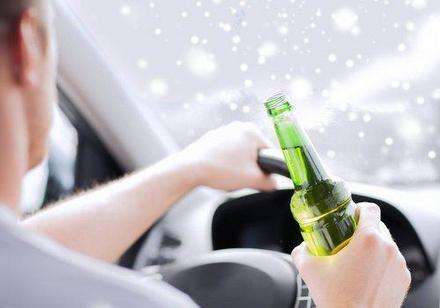 Automobile accidents are serious enough when they involve sober drivers. But when an individual gets behind the wheel after a long day or night of drinking, they place their lives and the safety of others in greater danger than necessary. All too often, drunk drivers do not realize the effect and destruction their actions have on the lives and families of those whom they injure. Commonly, as victims of drunk driving accidents often suffer long-term medical and financial expenses.
In many cases, if you are involved in an accident with a drunk driver, it may not be the driver’s first offense or accident related to driving while intoxicated. The Centers for Disease Control and Prevention (CDC) estimates that drivers with a blood alcohol content (BAC) over .08 percent are six times more likely to have a prior alcohol-related conviction than drivers without alcohol in their systems. According to the CDC, approximately 10,000 people were killed in 2013 as a result of drunk drivers.